


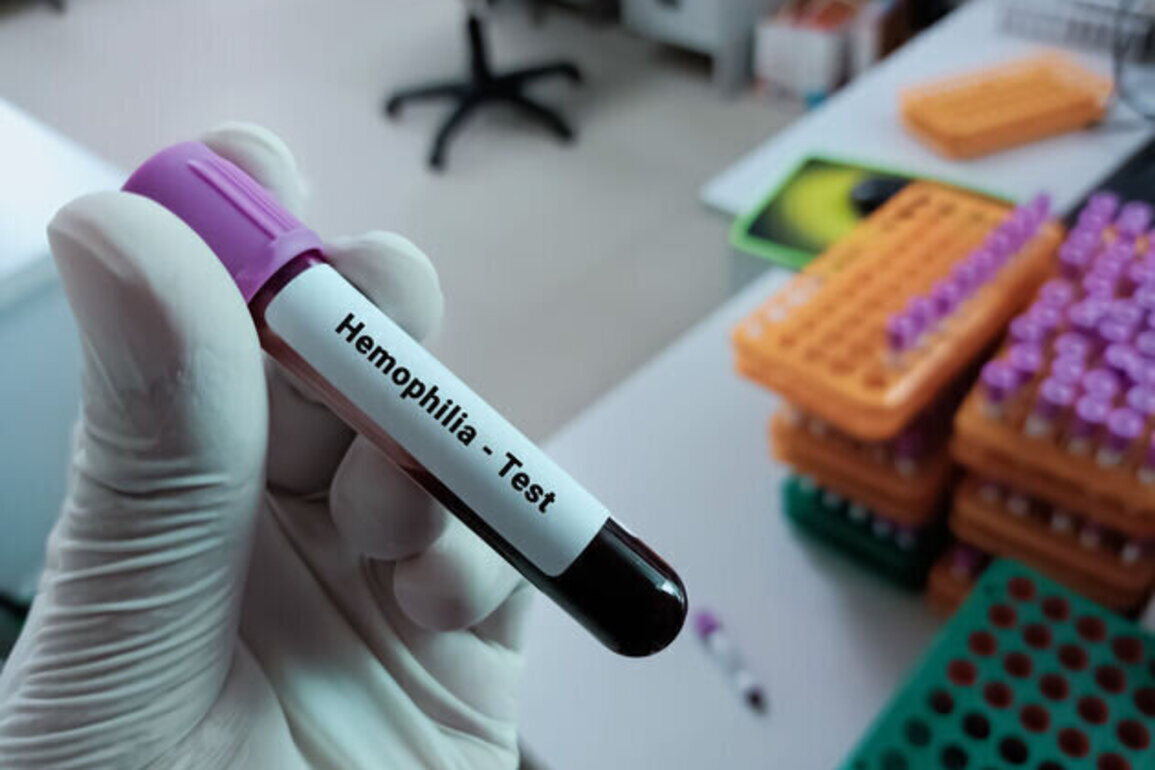
Hemophilia, a genetic bleeding disorder that prevents the body from clotting blood, can turn a simple paper cut into a deadly bleeding episode. But Indiana residents suffering from the disease now have a new option for potential long-term relief.
A one-time treatment is available to reduce or even eliminate bleeding episodes. A gene therapy hub is a single infusion that enables the body to produce its own clotting factor.
To receive the Food and Drug Administration -approved procedure, an eligible patient must be at least 18 years old and cannot have hepatitis B or C.
Dr. Sanjay Ahuja, CEO and medical director of Innovative Hematology, described how the therapy is administered.
"The patient spends almost the entire day in our center, only because of observation," said Ahuja. "However, the treatment itself is in a IV bag. It looks just like saline, and it is given through a vein into your arm. The process takes about an hour."
Additional testing is done for certain viral antibodies after the session is complete. Doctors will watch for any reactions.
If there are none, the patient can go home. A series of follow-up appointments over a course of weeks or months is mandatory to observe how the patient’s liver is functioning.
Hemorrhaging caused by hemophilia can be spontaneous, and there is no cure. A 2019 National Institute of Health study found almost 20 out of every 100,000 Indiana males have the disorder – 45% higher than national estimates.
Ahuja said while hemophilia mostly affects males, it's not gender-specific.
"It's transmitted through what we call as x-linked inheritance," said Ahuja. "That means females carry the gene and males, in any family, will express the disease. Females can also have the disease if the gene is expressed a little bit strongly."
When a male newborn is circumcised or his heel is pricked for a blood sample, extreme bleeding can happen, which could indicate hemophilia. Ahuja said another hallmark of the disease could appear in toddlers who have not quite mastered their balance and bump into things.
The impact can produce heavy bruising or bleeding in their knee, elbow or ankle joints – a sign for parents to get their child tested.
Source: Public News Service